Table Of Content

Interior designers agree that transitional living rooms are a harmonious mix of traditional and contemporary style. You could try out elements of English country decor alongside mid-century modernism. When it comes to transitional interior design colorways, it all depends on the mood you’re looking to create from room to room.
KEYS TO THE TRANSITIONAL COLOR PALETTE
Since its inception, Decorilla has collaborated with thousands of professional designers who have transformed countless homes and commercial spaces worldwide. Every day, Decorilla’s designers craft bespoke interiors, allowing clients to experience spaces that resonate with their personal style and aspirations, fostering genuine connections with the world of design. The transitional style represents the best of contemporary and traditional design. Transitional design may sound a lot like traditional design, but the two are not the same. Traditional design draws on classic design elements, whereas transitional design combines classic and modern design elements. To ensure each piece still looks harmonious in the space, avoid pieces that are either extremely modern or extremely traditional.
TRANSITIONAL STYLE COLORS
Find a Dallas-area interior designer who specializes in your personal home style - The Dallas Morning News
Find a Dallas-area interior designer who specializes in your personal home style.
Posted: Fri, 01 Dec 2023 08:00:00 GMT [source]
By keeping these things in mind, you can create a well-composed transitional space. Patricia Shannon is a freelance homes writer for Better Homes & Gardens with over a decade of editorial experience. Her areas of expertise include decorating, cleaning, and how-to content. Patricia is also a regular contributor with Southern Living and Coastal Living magazines.
Is the Transitional Design Style Right for You?
On the other hand, others create a layered mood by going for four/five tones of the same shade or darker hues for a dramatic feel. To put this into practice, she suggests picking three objects or furniture pieces that you love and look for common connections. For example, you might have a modern sectional that has the same color as a traditional lamp. Perhaps the lamp has another element that ties in with the throw pillows, which might also complement the couch.
Don’t be afraid to pair your bulkiest piece of furniture with your sleekest light fixture. Finding the right balance between traditional and contemporary furniture can get tough. That’s why Shaw and Moyer like to keep things simple with a timeless base layer.
Focus on seating in transitional living rooms
Look for sleek yet usable and relaxed pieces like a spacious armchair or upholstered bed frame, for example. Just like transitional bedrooms, a mix of period and modern decor will create a unique and timeless living space you’ll never get tired of. For British interior designer Matthew Williamson, a playful use of color is one of the most important elements of this considered mash up of old and new. Another way transitional design keeps differing pieces flowing harmoniously is by keeping color palettes simple. Oftentimes, transitional color palettes are mostly built of neutral tones, such as grays, tans, white, and brown.

But there are a few key indicators of the design style that will be present no matter the supporting elements. Alternatively, you might start with a traditional or transitional foundation, such as a classic sofa or armchair, and then add modern accents, like sleek lighting fixtures or abstract art. Textural elements, such as a plush area rug, decorative pillows, or textured wallpaper, add depth and dimension to a transitional space. The transitional design incorporates a mix of materials, such as wood, metal, glass, and stone, to create a balanced and visually interesting space. When you compare the two side by side, you’re certain to notice prominent similarities and differences between them. For the ultimate breakdown, we asked Décor Aid designers for their take on the two to help you better understand the core foundations of each while making a case for transitional vs traditional style.
Colors in Transitional Decor
Cozy seating arrangements in the living room and family room provide plenty of seating without interrupting the flow. The transitional style in home decor refers to a blend of a modern and vintage look. This style involves mixing interior design styles that have become popular over the decades. These colors work as good backdrops for both contemporary furniture and traditional furniture pieces.
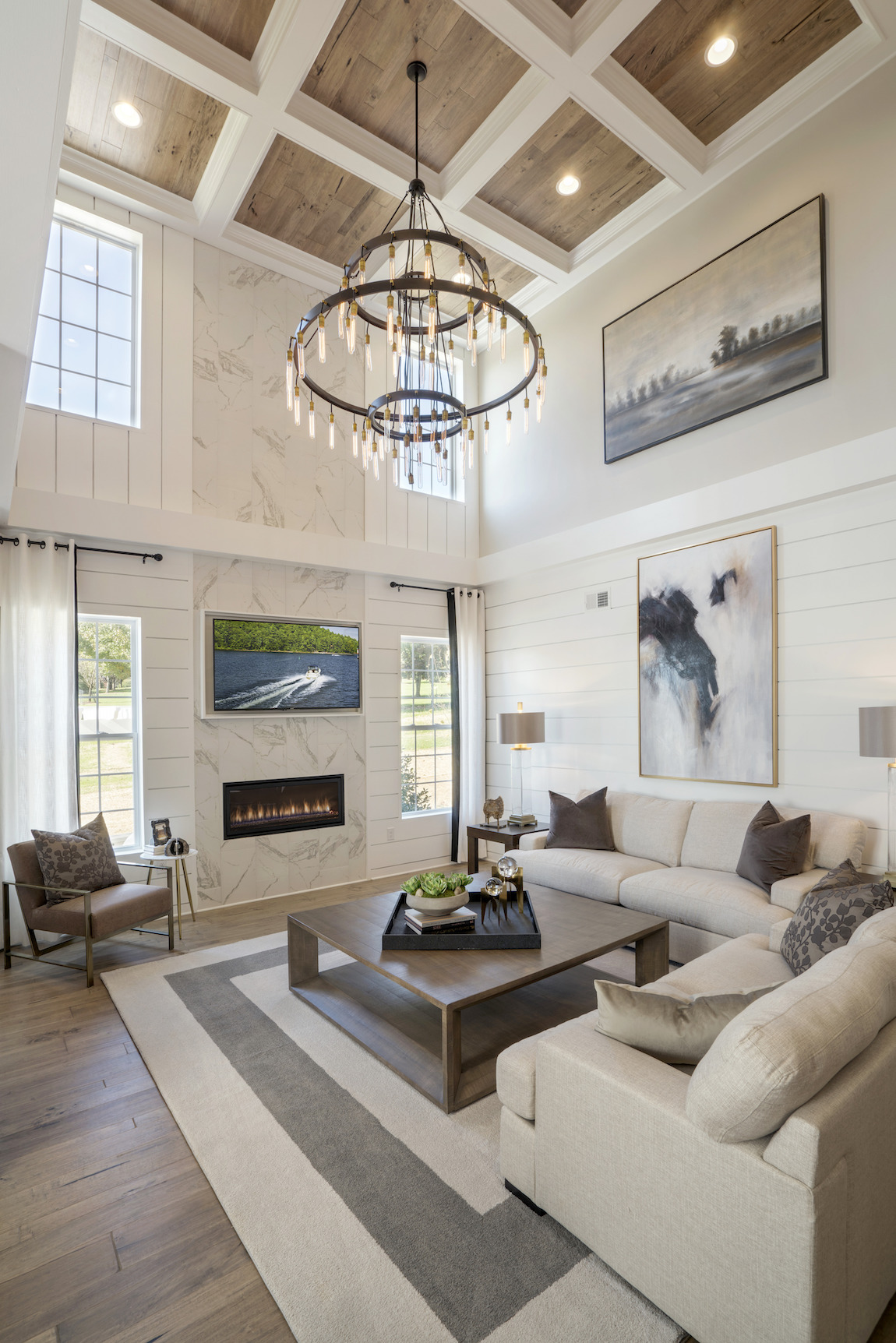
“If you’re ever worried about following too many trends and your house ends up being tacky and you’re changing your designs all the time, listen up—this design trend is for you,” he begins. Transitional spaces are often very quiet, a monochromatic composition of soothing, neutral hues—think taupes, tans, and creamy vanillas—paired with deeper browns and blacks for depth. While monochromatic, that gray-on-gray palette is made more interesting with texture and pattern. A nubby heather throw might be folded across a quiet-hued sectional, for instance. Or metallic artwork frames counterbalance the room’s beige-washed walls. Transition state is a full-service interior design studio providing comprehensive services to residential and commercial clients alike.
As a mixture of multiple styles, the history of transitional style is somewhat murky. Traditional design dates back to the 1700s and 1800s, often with roots throughout Europe. In the middle of the 20th century, a new interior design trend emerged, which embraced a more minimalist style as a reaction against the embellishments of the traditional look. What is now known as a midcentury modern, transitional style began popping up as these two distinct looks merged together. Transitional style can be seen as a best-of-both-worlds scenario, and the spaces generally make use of clean lines, a neutral color palette, and pared-back ornamentation.
“As you build the elements in the space, keep that checkpoint in your front view and make sure anything you add fits into that trifecta, and layer in from there,” she adds. Okin suggests bringing in more neutral textiles into a space while embracing layers of tone-on-tone. She also recommends “pops of unlacquered brass, greige, and clean-lined furniture” as useful tools when crafting a transitional look.
There should be a nice balance of color and form in a way that doesn't feel chaotic or overwhelming. Neutral colour schemes accompany transitional style homes – greys, whites, sand, taupe, moss etc. These colours are then given depth with second or third layers of bolder colours like blues, greens, and browns so that the designer achieves a good mix of both traditional and modern styles. The beauty of the transitional design is that it allows you to choose colors based on the mood or vibe that you want to create.
The transitional style is a popular and versatile design approach that is widely used in both residential and commercial spaces. As such, specializing in transitional style can be a great niche for an interior design firm. By focusing on this particular style, you can develop a strong expertise in it and offer tailored services to clients who are looking to update their space with a blend of traditional and modern elements. Overall, transitional style accessories are versatile and timeless, and they can work well in a variety of design styles and settings. This article delves into the defining characteristics of Transitional interior design, exploring how this style artfully merges different design eras to create spaces that are both comfortable and chic. From the subtlety of its color palette to the thoughtful integration of textures and patterns, Transitional design weaves a narrative that speaks to both tradition and modernity.
Add a grounding furniture piece like a large wood dining table, dresser or bookend, for example, to celebrate the craftsmanship. If you find creating a transitional décor style in the bedroom tricky, browse relaxed resort looks for inspiration. Of course, crisp, white linens, crown molding, and an abstract piece of art or two are great interior design starting points. It’s no wonder it’s a popular choice for transitional house décor and furniture. So be sure to balance the look – think a light wood dining table and black luster chairs or a mahogany option paired with light upholstery. A top tip is to introduce feel-good fabrics, especially in neutral living rooms.




No comments:
Post a Comment